Do Skinny Shots Work? What the Evidence Actually Shows

The honest answer to "do skinny shots work" is that it depends entirely on which shot you mean, and the two kinds sold under that name are not close. A traditional lipotropic or B12 "skinny shot" from a med spa has almost no clinical evidence that it burns fat. A prescription GLP-1 injection like semaglutide has some of the strongest weight-loss trial data of any drug ever approved. Same nickname, opposite track record. Most of the disappointment people report comes from paying for the first kind while picturing the second.
This matters because the marketing blurs the line on purpose. A clinic can call a $30 vitamin injection a "skinny shot" and let you assume it does what the headlines about Ozempic describe. It does not. So before you book anything, you want to know what is actually in the syringe, what the studies show it does, and how to read the before-and-after photos that sell these packages.
Below is what the research says about each type, where the visible results really come from, and how long it takes to see anything. If you are deciding between them, our overview of skinny shots and weight-loss injections lays out the two categories side by side first.
The two things "skinny shots" can mean

The older meaning is a lipotropic injection, often called a MIC shot for the methionine, inositol, and choline it usually contains, frequently combined with vitamin B12. Med spas and wellness clinics have sold these for decades on the idea that they speed up metabolism and help the liver process fat. They are cheap, quick, and rarely involve a prescription.
The newer meaning is a GLP-1 receptor agonist: semaglutide, the drug in Wegovy and Ozempic, or tirzepatide, the drug in Zepbound and Mounjaro. These are prescription medications that change appetite and blood sugar, and they need a licensed clinician to start and monitor. When a news story talks about people losing 15 or 20 percent of their body weight on an injection, this is the category it means. Our comparison of GLP-1 medications breaks down how each one differs.
Do lipotropic and B12 shots work for weight loss?
On their own, the evidence says no. There is no large, well-run clinical trial showing that methionine, inositol, choline, or B12 injections cause meaningful fat loss in people who are not deficient. The ingredients do have real roles in the body. Choline helps the liver move fat, and the National Institutes of Health describes its function in fat metabolism in its choline fact sheet. But having a role in a metabolic pathway is not the same as making you lose weight, and the leap from one to the other is where the marketing gets ahead of the science.
Vitamin B12 is the clearest case. It only raises your energy if you were low on it to begin with. The NIH is direct about this in its B12 fact sheet: in people with normal levels, extra B12 does not improve energy or performance, and the body simply clears the surplus. So a B12 skinny shot can genuinely help someone who is deficient feel better, which can make moving and eating well easier, but that is a roundabout effect, not fat-burning.
None of this makes lipotropic shots dangerous. For most people they are low risk and low cost. The problem is the expectation. If you book one believing the injection itself will drop pounds, you are paying for something the research does not support.
What the before-and-after photos really show
The transformation photos a med spa shows you are usually real, and that is exactly why they mislead. Most lipotropic skinny shot programs come bundled with a calorie-restricted diet plan, a weekly weigh-in, and sometimes a coach checking in. People on that program do lose weight. The question is whether the needle deserves the credit or the eating change does.
Strip the diet out and you remove the part with the evidence behind it. A calorie deficit causes weight loss whether or not a shot is involved. When a clinic posts a one-month lipotropic result, the before-and-after is documenting the deficit plus the placebo lift of paying for a structured plan, not a fat-melting property of the injection. That is the single most useful thing to understand before you sign up: you are buying accountability with a vitamin attached, and you can get the accountability for free.
Do GLP-1 skinny shots work?
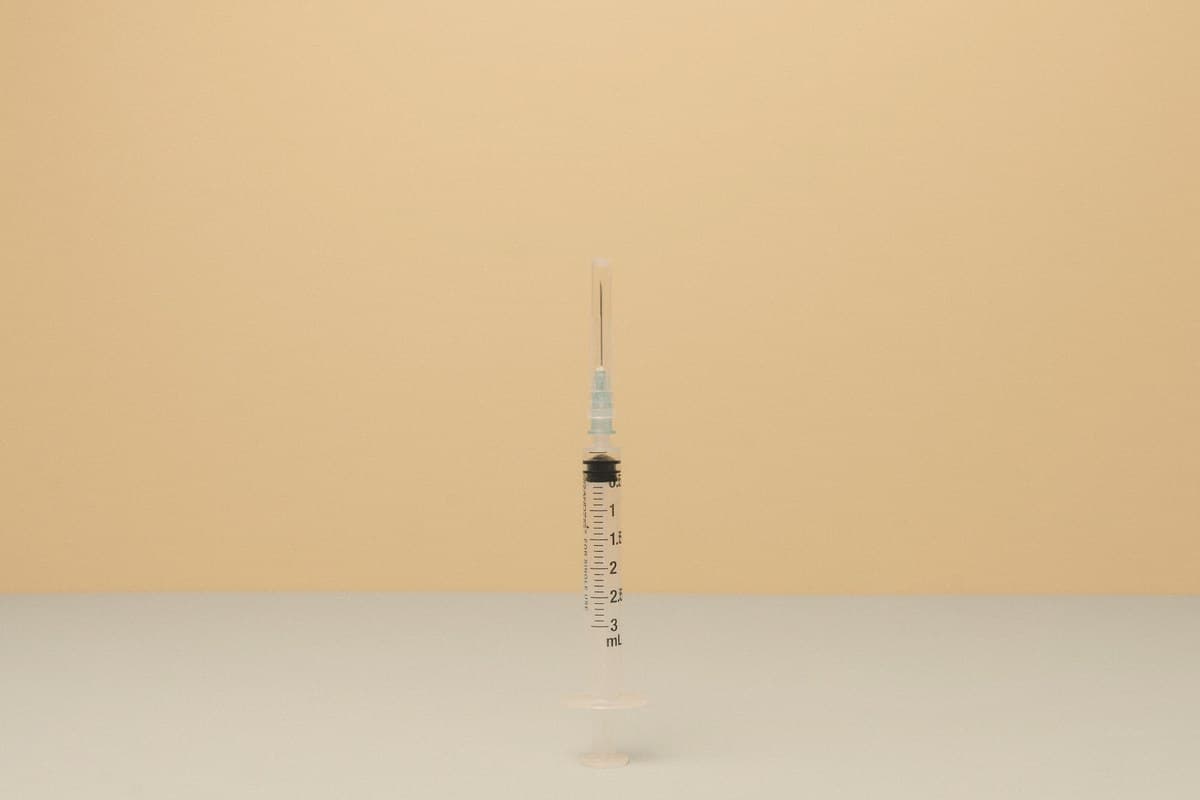
This is the category with the numbers. GLP-1 injections change how hungry you are, so the calorie deficit happens because you want less food, not because you are fighting yourself. The trial data is substantial. In the STEP-1 trial published in the New England Journal of Medicine, adults on once-weekly semaglutide lost an average of 14.9 percent of their body weight over 68 weeks, documented in the STEP-1 results on PubMed. For comparison, a typical lipotropic study has nothing in that league because the trials were never run.
Tirzepatide, the dual-hormone version, went further. In the SURMOUNT-1 trial, also in the New England Journal of Medicine, participants on the highest dose lost about 20.9 percent of their body weight, reported in the SURMOUNT-1 results. These are prescription drugs with real side effects, most often nausea early on, and they require a clinician who starts you low and adjusts slowly. They are not for everyone. But when people ask whether a skinny shot can actually move the scale in a way studies can measure, this is the kind they are describing. You can read how the molecule does it in our explainer on semaglutide.
How long until you see results
With a lipotropic or B12 shot, any weight change you notice in the first month is the diet doing the work on the usual timeline, roughly one to two pounds a week in a sensible deficit. The injection is not adding to that curve, so a "one month lipotropic results" photo is really a one-month calorie-deficit photo.
With a GLP-1, the appetite change often shows up within the first week or two, but the weight comes off gradually as the dose climbs over several months. The big trial averages came at 68 weeks, not at week four. Expecting a headline result in a month is the fastest way to quit something that was working. We lay out the realistic curve in our guide to how long GLP-1s take to work, and what the early weeks feel like in the GLP-1 side-effect timeline.
How to tell if your skinny shot will do anything
Ask one question at the front desk: what is the active ingredient. If the answer is B12, MIC, lipotropic, or some blend of vitamins and amino acids, you are looking at the low-evidence kind. It may be fine as a vitamin boost, but judge it as that, not as a weight-loss drug. If the answer is semaglutide or tirzepatide, you are looking at the prescription kind, which means a real medical evaluation should come with it.
Be especially careful with clinics that stay vague, name a proprietary blend, or imply their vitamin shot works like Ozempic. If a place will not tell you the drug, will not connect you to a licensed prescriber, or wants a large upfront package payment before any consultation, those are the signals to walk. A provider who actually prescribes GLP-1 medication will assess your history first. You can find verified ones in our directory of skinny shot and weight-loss injection providers by state.
Do skinny shots work without dieting?
Lipotropic and B12 skinny shots do not produce weight loss on their own, with or without dieting, because the injection itself is not what drives the result. Any change comes from the calorie deficit a clinic pairs with the shot. GLP-1 injections are different: they work by reducing appetite, so the diet happens almost automatically because you are less hungry, but they still work best alongside reasonable eating and activity. No injection in either category replaces the basic math of energy balance. The GLP-1 just makes that balance much easier to hold without constant willpower.
How much weight can you lose with skinny shots?
It depends entirely on the type. Lipotropic and B12 shots have no trial-backed weight-loss figure, so any number a med spa quotes reflects the diet they put you on, not the injection. Prescription GLP-1 injections do have measured averages: about 14.9 percent of body weight over 68 weeks for semaglutide in the STEP-1 trial, and roughly 20.9 percent for tirzepatide at the top dose in SURMOUNT-1. Individual results vary widely around those averages based on dose, starting weight, and how long you stay on treatment. Anyone promising a specific dramatic number from a vitamin shot is selling expectation, not evidence.
Do B12 skinny shots help you lose weight?
Not directly. Vitamin B12 only improves energy in people who are actually deficient, and the National Institutes of Health states that extra B12 does nothing once your levels are normal. If a deficiency was making you tired and a shot fixes it, you may feel more able to exercise and cook, which can support weight loss indirectly. But the injection does not burn fat or speed up metabolism in someone with normal B12. If you suspect a deficiency, a simple blood test is a cheaper and more accurate path than a recurring shot package, and oral B12 corrects most deficiencies just as well.
Are skinny shots the same as Ozempic?
Sometimes, and that is the confusion clinics rely on. If a skinny shot contains semaglutide, it is the same drug as Ozempic and Wegovy and works the same way by reducing appetite. If it is a lipotropic, MIC, or B12 shot, it is a completely different product with none of the GLP-1 mechanism and none of the trial evidence behind it. The word skinny shot tells you nothing about which one you are getting. Always ask for the active ingredient by name, and compare what you are offered against our breakdown of GLP-1 medications so you know whether you are getting a studied drug or a branded vitamin.