Where to inject Ozempic: 3 sites and how to rotate

Ozempic goes into the fat layer just under your skin, not into a muscle and not into a vein. There are three approved Ozempic injection sites: your abdomen, your thigh, and the back of your upper arm. Which one you pick, and whether you rotate between them, decides whether your skin stays smooth or develops the hard lumps that cause the drug to absorb unevenly. Most people who get erratic results week to week are not doing anything wrong with the dose. They are injecting into the same two square inches of skin every Tuesday.
This guide covers the three approved sites, how to pick between them, the Ozempic injection site rotation pattern that prevents lump formation, and the technique details the pen's included leaflet compresses into a single diagram. None of this changes your dose or your prescription. It is the mechanical half of taking Ozempic: the half nobody explains past the first pharmacy visit.
The three approved injection sites

According to the FDA prescribing information, Ozempic is approved for subcutaneous injection in three places:
- Abdomen: anywhere on the stomach except a 2-inch circle directly around the navel.
- Thigh: either thigh.
- Upper arm: the back of either upper arm. This one usually requires someone else to help you inject, or a mirror.
All three sites work because they share the same tissue type: subcutaneous fat. Ozempic is not approved for injection into muscle (intramuscular) or a vein (intravenous), and doing so changes how fast the drug is absorbed in ways the dosing was not designed for.
Which site should you use
There is no site that works "better" for weight loss. Absorption differences between the three approved sites are not clinically meaningful for a once-weekly injection. Pick based on what you can reach comfortably and inject without a mirror or a second person:
- Abdomen is the easiest site for most people to self-inject and see what they're doing.
- Thigh is the second-easiest self-inject site and useful on days the abdomen feels tender from a recent shot.
- Upper arm is hardest to reach alone. Most people who use it have a partner, roommate, or nurse inject for them.
Many people settle into using the abdomen and thigh in alternation and never touch the upper arm at all, which is fine. Two sites, rotated correctly, is enough.
Why rotation matters

Injecting into the same square inch of skin week after week can cause lipohypertrophy, a firm, thickened patch of tissue under the skin caused by repeated trauma to the same spot. This is best documented in the insulin literature, since patients inject far more often than once a week, but the mechanism is the same subcutaneous tissue response. International injection-technique recommendations published in Mayo Clinic Proceedings describe lipohypertrophy as a frequent complication of injection therapy that distorts drug absorption, and state that rotating sites correctly helps prevent it (Frid et al., 2016). For a once-weekly GLP-1 injection, an unpredictable absorption week is exactly the kind of variability that makes side effects or plateaus feel random when they are actually mechanical.
The fix costs nothing and takes no extra time: never inject into the exact spot you used last week. A simple system (right side of the abdomen this week, left side next week, thigh the week after) keeps every spot resting for at least two to three weeks between injections.
Step-by-step technique
Ozempic ships as a prefilled, dial-a-dose pen. The steps below follow Novo Nordisk's official pen FAQ and general subcutaneous-injection guidance from MedlinePlus:
- Wash your hands. Check the pen. The liquid should be clear and colorless.
- Attach a new needle, remove both caps, and prime the pen per the leaflet's flow check (a small drop should appear at the needle tip).
- Dial your prescribed dose.
- Pick your site for the week (see rotation, above) and wipe it with an alcohol swab if you use one; let it air-dry.
- Insert the needle as your healthcare provider showed you. The pen uses a short needle, and Novo Nordisk leaves the exact angle to that training rather than specifying one for the pen. MedlinePlus's general guidance for a subcutaneous injection is to pinch a fold of skin and insert at a 90-degree angle, or 45 degrees if you have little fatty tissue at the site.
- Press the dose button and hold it for 6 full seconds after the dial reaches 0, keeping the needle in your skin the whole time. This is the step most people rush, and rushing it means part of the dose stays in the pen.
- Withdraw the needle straight out, remove it with the outer cap, and dispose of it in a sharps container. Never loose in household trash.
Ozempic is a once-weekly injection, so pick a day and stick to it. The label allows adjusting your day as long as your last dose was at least 48 hours earlier. It can be taken with or without food and at any time of day.
Common mistakes
- Releasing the button too early. Holding for the full 6 seconds after the dial hits zero is what clears the needle. Letting go early is the single most common reason people report a dose feels "weaker" some weeks.
- Injecting into the navel zone. The label excludes a 2-inch ring around the navel from the approved abdomen area. Stay outside it.
- Never rotating. Covered above, this is the single fastest way to develop a lump that then absorbs the drug unpredictably.
- Injecting through clothing or into a bruised or scarred area. Bare skin only, and skip any spot that's still tender, bruised, or scarred from a prior injection.
- Storing an in-use pen wrong. Unopened pens belong in the refrigerator, 36°F to 46°F. Once you start using a pen, it can stay at room temperature, 59°F to 86°F, or stay refrigerated, for up to 56 days, then it must be thrown away even if medicine is left.
Does it matter if I'm thin when picking a site?
It can. Your healthcare provider should show you the technique for your body before your first dose, and that always takes priority over general guidance. Absent that, MedlinePlus's general advice for a subcutaneous injection is that less subcutaneous fat calls for a shallower 45-degree angle instead of the usual 90 degrees, after pinching a fold of skin, to reduce the chance of an intramuscular injection, which can sting more and change absorption speed. Ask your prescriber or pharmacist to confirm this fits you at your next visit.
Why does one site hurt more than another?
Nerve density varies by location, and many people find the abdomen and thigh less sensitive than the upper arm. Pain also tracks needle reuse. The needle is designed for a single use, and a second injection with the same needle turns duller and is more likely to sting, even though the label's reason for a new needle every time is contamination and infection risk, not comfort. If a spot consistently hurts more than others, that is also a signal to skip it for a few weeks and let the tissue rest.
What if I get a bruise or a small lump after injecting?
A small bruise from hitting a tiny blood vessel is common and harmless. It resolves in a few days like any minor bruise. A lump that stays firm for weeks, or grows with each injection at that spot, is the lipohypertrophy pattern described above and means that site needs a longer rest, not a harder push next time. Persistent swelling, redness, warmth, or a lump that does not shrink over several weeks should be checked by your prescriber, since those are not typical injection-site findings.
Can I switch sites mid-cycle if one feels off?
Yes. The rotation only requires that you not use the exact same spot two weeks in a row within one general area. If your usual abdomen spot feels tender or bruised on injection day, moving to the thigh that week and returning to the abdomen (a fresh spot) the following week is exactly how the rotation is meant to work, not a deviation from it. The rule that matters is variety, not a fixed weekly calendar, so let comfort decide which of the three approved sites you use on a given week.
Does the injection site matter if I've missed a dose?
Not directly. Site selection and timing are separate decisions. Per the FDA label, if fewer than 5 days have passed since your missed dose, take it as soon as you remember at any of the three approved sites and resume your normal weekly schedule. If more than 5 days have passed, skip the missed dose entirely and take your next dose on the regular day. Do not double up to make up for it. What does change after a missed dose is your rotation count. Treat the delayed shot as a normal entry in your rotation log, so you do not accidentally land back on a spot that has not rested long enough.
A simple way to track rotation without an app
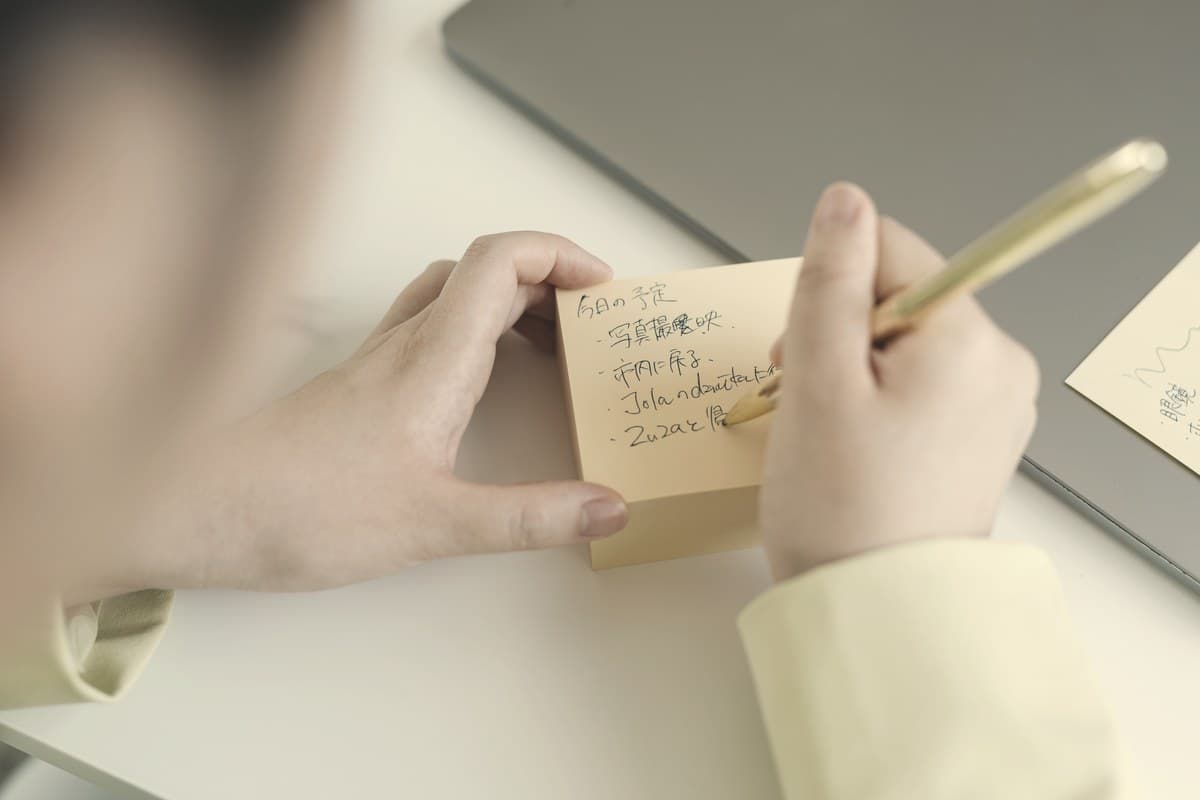
You do not need a tracking app to rotate correctly. A sticky note on the inside of your medicine cabinet with four boxes (left abdomen, right abdomen, left thigh, right thigh), checked off in order and reset once all four are used, covers the whole system. Some people set a phone reminder with the site written into the title ("Ozempic shot, right thigh") so the record and the reminder are the same action. The goal is simply that you never have to guess which spot you used last, because guessing wrong is how the same quarter-inch of skin ends up absorbing four injections in four weeks.
This article is educational and not a substitute for the Instructions for Use that ships with your pen or advice from your prescriber. If you are new to Ozempic, review injection technique with your doctor's office or pharmacist before your first dose. Curious what Ozempic is estimated to cost with your coverage, or how it compares to other GLP-1 options? Try our Ozempic weight-loss calculator, read how does ozempic work, check ozempic side effects in men, compare it head-to-head in Ozempic vs Wegovy, or find a verified GLP-1 prescriber near you.
See also