GLP-1 Medications and Fertility: What the Ozempic Baby Research Actually Shows

Women who'd been told for years they couldn't conceive are getting pregnant a few months into Ozempic or Mounjaro. Social media named the phenomenon "Ozempic babies," and it's real, well documented, and mechanistically clear. For anyone with PCOS trying to conceive, that's good news. For anyone on a GLP-1 who isn't trying, it's a contraception conversation that too often never happens at the pharmacy counter.
Two things are going on. These drugs can restore ovulation, especially in PCOS, and one of them can also blunt birth control pills. This guide covers how GLP-1s bring ovulation back, the contraception gap that creates the surprise pregnancies, how long to stop before trying to conceive, and what the (reassuring but limited) data says if you do conceive while taking one.
If you're planning conception and want a provider who understands both PCOS and GLP-1 timing, we track weight-loss clinics in Houston, Miami, and Los Angeles with verified availability, alongside the weight-loss doctors who prescribe GLP-1 medications.
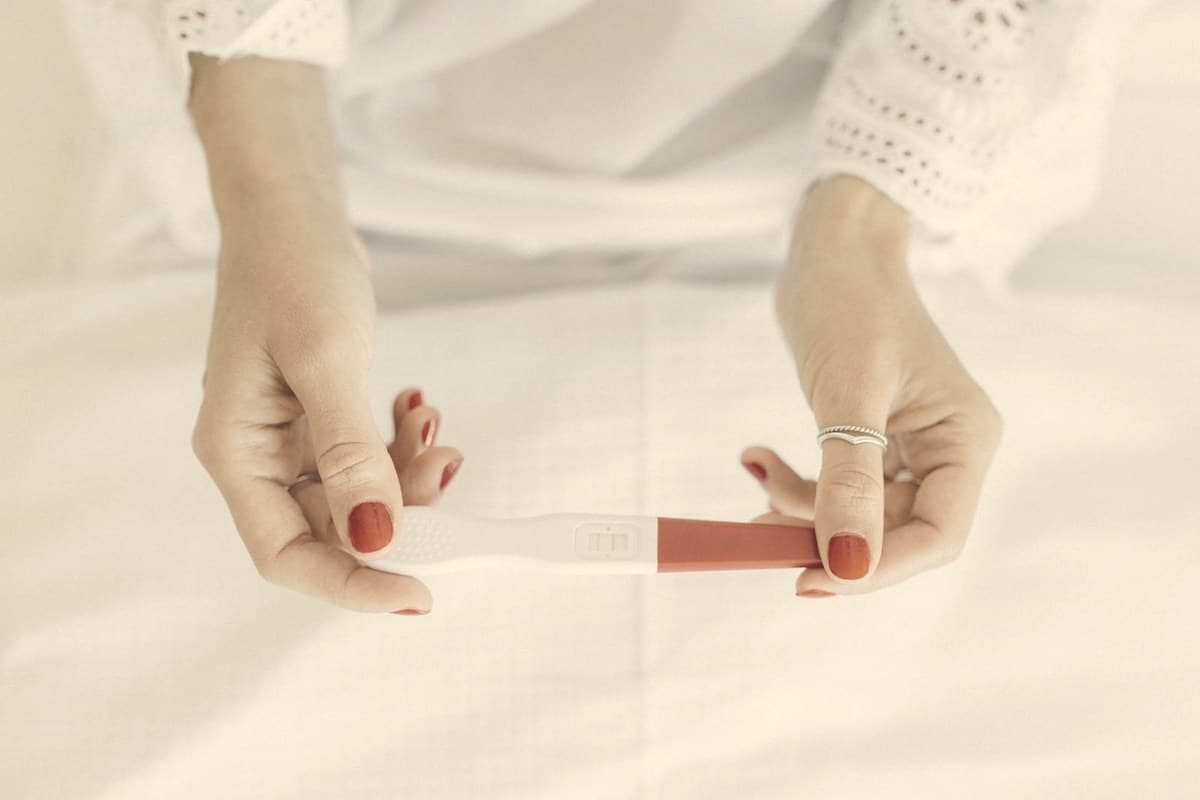
What "Ozempic babies" describes
The phrase covers women who conceived unexpectedly on a GLP-1, often after years of infertility, and many of them have PCOS. It isn't a fluke or a rumor. Weight loss and the metabolic changes these drugs produce can genuinely improve ovulation, particularly in women with obesity or insulin-resistant PCOS. The part that catches people off guard is how quickly fertility can come back, sometimes within weeks, in someone who had stopped using contraception because she believed she couldn't get pregnant.
The flip side of this story, what GLP-1s do to hormones after menopause, is a different topic covered in our guide to GLP-1 medications and HRT. Here the focus is reproductive-age women and the surprises that come with restored fertility.
How GLP-1s restore ovulation in PCOS
PCOS is the most common hormonal disorder in reproductive-age women, affecting roughly 8 to 13% of them. Its core features are excess androgens, insulin resistance, and irregular or absent ovulation. GLP-1s seem to help on two fronts. The first is straightforward weight loss: dropping even 5 to 10% of body weight improves insulin sensitivity, which lowers the insulin-driven androgen excess that blocks ovulation, and that alone restores spontaneous ovulation in a large share of previously anovulatory women.
The second front is less about the scale. GLP-1 receptors show up in the ovaries, pituitary, and hypothalamus, and a 2025 scoping review of GLP-1s in PCOS found improvements in ovulation, cycle regularity, and reproductive hormone profiles that look bigger than weight loss alone would explain. Combined therapy has been promising too: trials pairing semaglutide with metformin produced higher natural pregnancy rates than metformin by itself. If you're early in treatment and tracking changes, our guide on how long GLP-1s take to work sets the timeline for when these effects tend to show up.
The contraception gap
There are actually two separate risks here, and they get muddled constantly. The first applies to every GLP-1: restored ovulation. A woman who assumed she was infertile, isn't using contraception, and starts losing weight can begin ovulating again and conceive. That's the main driver of "Ozempic babies," and it has nothing to do with the drug interfering with birth control.
The second risk is specific to tirzepatide (Mounjaro and Zepbound). Because it slows gastric emptying enough to affect how pills absorb, tirzepatide can lower the hormone levels from oral birth control, with one study showing about a 20% drop after a single dose. For that reason, the tirzepatide prescribing label tells people on oral contraceptives to add a barrier method (or switch to a non-oral method like an IUD, implant, patch, or ring) for four weeks after starting and after each dose increase, the escalation steps laid out in our tirzepatide dosing guide. Semaglutide, by contrast, hasn't shown a meaningful reduction in oral contraceptive efficacy, so the pill works normally on it. Bottom line: if you're on tirzepatide and the pill, don't rely on the pill alone during those windows, and if you're on any GLP-1 and not trying to conceive, sort out contraception before the first injection.
Using a GLP-1 on purpose for fertility
Reproductive endocrinologists increasingly use GLP-1s as part of preconception weight management for women with PCOS. The logic is to bring weight and hormones into a better range first, then stop the medication before trying to conceive. It takes more planning than a standard weight-loss prescription, which is exactly why it belongs with a provider who knows both PCOS and GLP-1 pharmacology rather than being improvised.
One thing to plan for is what happens after you stop. The appetite suppression fades within weeks, and without the eating habits built during treatment, weight can rebound, a pattern we cover in weight regain after stopping GLP-1s. Mapping out the post-medication and pregnancy plan in advance beats scrambling once you're already trying. The same gastric-emptying effect behind the contraception issue also shapes the early GI side effects, which our GLP-1 side effects timeline walks through.
When to stop before conceiving
The standard guidance is to stop a GLP-1 at least two months before trying to conceive. The reason is the long half-life, roughly a week for semaglutide and about five days for tirzepatide, so it takes several weeks for the drug to fully clear. The preconception planning literature frames this as a precaution rather than proof of harm at conception, since the long-term developmental data simply isn't mature yet. When stopping is medically feasible, stopping ahead of conception is the cautious default.
Note this is the same medication that might be doing the fertility work in the first place. For a woman whose ovulation only returned because of the GLP-1, the timing is a genuine balancing act, and it's worth a dedicated conversation with a reproductive specialist rather than a generic "stop two months before" rule of thumb.

If you conceive while on a GLP-1
First, don't panic. The early human data on first-trimester exposure has been more reassuring than the warning labels imply, with the largest available analyses not showing a clear jump in major birth defects. That said, "more reassuring than feared" is not the same as "proven safe." Animal studies have shown fetal harm, including growth restriction, and the long-term human follow-up is still thin, which is why these drugs are not used in pregnancy.
The practical steps are simple: stop the medication as soon as you know you're pregnant, call your provider, and line up obstetric care. Don't restart while pregnant or breastfeeding. The current guidance on GLP-1s in pregnancy and lactation supports stopping rather than continuing. Be ready for the appetite rebound too, since you'll lose the suppression right as your body's needs change. For broader context on the women's-health effects that often overlap with this, our guides on Ozempic face and GLP-1 hair loss are worth a look, since rapid weight changes around pregnancy can trigger both. To find a prescriber who'll manage the timing, we list tirzepatide providers in San Antonio and semaglutide providers in Houston. Note too that the newer agents, including retatrutide and the oral GLP-1 options, carry the same pregnancy precautions.
Quick reference — GLP-1s and fertility
- GLP-1s can restore ovulation in PCOS via insulin sensitivity + weight loss
- "Ozempic babies": unexpected pregnancies from returning fertility
- Tirzepatide can lower birth-control-pill levels (~20%); add a backup method 4 weeks after starting/increasing. Semaglutide does not
- Stop any GLP-1 at least 2 months before trying to conceive
- Not used in pregnancy; stop if you conceive and call your provider
Educational information, not medical advice. Plan conception timing with your provider.
Frequently asked questions
Can GLP-1s like Ozempic help you get pregnant with PCOS?
They can, indirectly and sometimes directly. In PCOS, GLP-1s improve insulin sensitivity and drive weight loss, which lowers the androgen excess that suppresses ovulation, and even a 5 to 10% weight reduction restores spontaneous ovulation in many women. There may also be direct effects on the ovaries and reproductive hormone axis beyond weight loss. They aren't formally approved as fertility drugs, and the usual approach is to use one to improve weight and hormones, then stop before trying to conceive. If conception is your goal, work with a reproductive specialist who can plan the timing around the recommended washout.
What are "Ozempic babies"?
It's the informal name for unexpected pregnancies in women who started a GLP-1 for weight or diabetes and conceived, often after years of assuming they were infertile. The main reason is restored ovulation: weight loss and improved insulin sensitivity bring back regular cycles, especially in PCOS, in women who had stopped using contraception. In some cases a contraception interaction plays a role too, specifically with tirzepatide, which can reduce birth-control-pill absorption. The takeaway is that returning fertility on a GLP-1 is common enough that anyone not trying to conceive needs a reliable contraception plan from the start.
Do GLP-1 medications affect birth control?
It depends on the drug. Tirzepatide (Mounjaro, Zepbound) can lower the hormone levels from oral birth control pills, by roughly 20% after a single dose, so its label recommends adding a barrier method or switching to a non-oral option for four weeks after starting and after each dose increase. Semaglutide (Ozempic, Wegovy) has not shown a meaningful reduction in oral contraceptive efficacy, so the pill continues to work normally on it. Our Ozempic vs Zepbound page sets the two labels side by side. Either way, the bigger fertility factor is restored ovulation, so any woman on a GLP-1 who doesn't want to conceive should confirm her contraception plan with her provider.
How long before pregnancy should I stop a GLP-1?
The standard recommendation is to stop at least two months before trying to conceive. This accounts for the long half-life of these drugs, about a week for semaglutide and roughly five days for tirzepatide, so the medication needs several weeks to clear fully. The two-month buffer is a precaution rather than evidence of harm at conception, since the long-term developmental data is still limited. If your fertility only returned because of the GLP-1, the timing becomes a balancing act worth discussing in detail with a reproductive specialist rather than following a generic rule.
Is it safe to take a GLP-1 while pregnant?
No, these medications are not used during pregnancy. Animal studies have shown fetal harm, including growth restriction and skeletal abnormalities, and the human safety data is too limited to consider them safe. The standard guidance is to stop the medication as soon as pregnancy is confirmed and not to use it while breastfeeding. The reassuring note is that the largest available analyses of accidental first-trimester exposure have not shown a clear increase in major birth defects, so an unplanned exposure is not cause for panic, but it should prompt a prompt call to your provider and a switch to pregnancy-appropriate care.
What should I do if I get pregnant on Ozempic or Wegovy?
Stop the medication as soon as you know, contact your provider, and arrange obstetric care. Don't restart during pregnancy or while breastfeeding. Try not to panic about the exposure that already happened, since the available human data has been more reassuring than the warning labels suggest, but do get medical guidance promptly. Expect your appetite to return within a few weeks as the drug clears, which can make early-pregnancy eating feel different, so it helps to have a nutrition and weight plan discussed with your provider. Bring up any other medications or supplements at the same visit so everything can be reviewed for pregnancy safety.