Tirzepatide Dosing Guide: FDA Titration Schedule by mg

Tirzepatide dosing follows a fixed schedule printed in the FDA label. This guide walks through that schedule, how the approved pens and vials are labeled, and what the clinical data says about dose and outcomes.
Tirzepatide is the active ingredient in two FDA-approved brands, Mounjaro and Zepbound. The pens are pre-filled and dose-specific: click and inject. Lilly also sells Zepbound in single-dose vials and a multi-dose KwikPen at self-pay prices, which our guide to Zepbound cost lists by dose. FDA's patient guidance is to obtain a prescription from your doctor and fill it at a state-licensed pharmacy. This guide covers the full FDA titration schedule, how the approved products are labeled, and what the clinical data says about dose and outcomes.
If you're looking for a provider, we track weight-loss clinics in Houston, Miami, and Los Angeles with verified tirzepatide availability.
The FDA-approved titration schedule
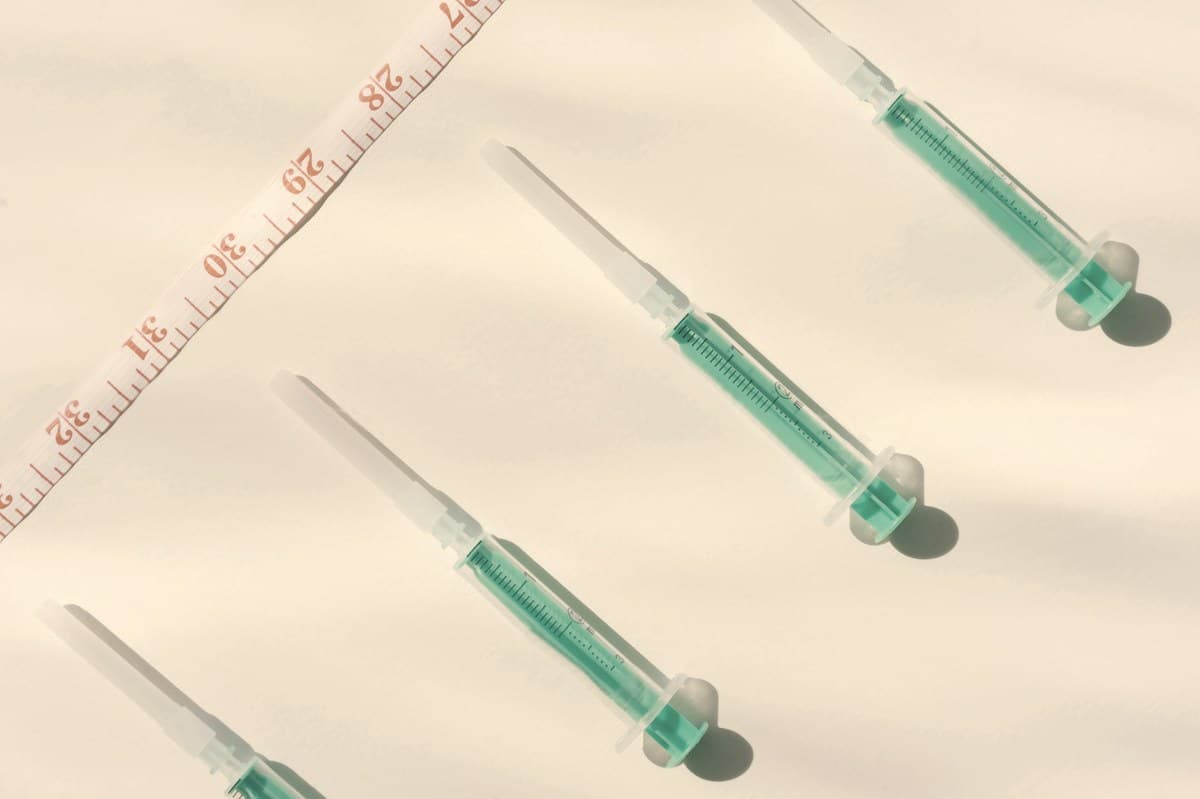
The approved Zepbound prescribing label starts at 2.5 mg weekly for four weeks, then steps up by 2.5 mg every four weeks. The full sequence:
- Weeks 1 to 4: 2.5 mg
- Weeks 5 to 8: 5 mg
- Weeks 9 to 12: 7.5 mg
- Weeks 13 to 16: 10 mg
- Weeks 17 to 20: 12.5 mg
- Week 21 and beyond: 15 mg (maximum)
The SURMOUNT-1 trial published in the New England Journal of Medicine showed mean weight loss of 22.5% of body weight at 15 mg versus 16% at 5 mg over 72 weeks. Most patients reach their goal somewhere between 5 to 10 mg with fewer side effects. The 15 mg ceiling exists for people who need it, not because higher is always better.
The four-week interval is a minimum, not a deadline. The prescribing information explicitly permits slower progression. Treating the schedule as mandatory is the most common mistake providers see.
Pens and vials: doses are in mg
Mounjaro and Zepbound pens are pre-filled and dose-specific, and each pen is labeled in mg. Lilly's Zepbound single-dose vials and KwikPen are also labeled in mg, and the instructions for use that come with each product explain how to prepare the injection. Your prescriber sets the dose and device from the label schedule above.
FDA reports that it has received adverse event reports involving unapproved versions of semaglutide and tirzepatide. Some reports involving unapproved injectable semaglutide required hospitalization and may be related to dosing errors. The FDA cautions that "it is not always possible to determine if the adverse event directly resulted from use of the drug." Its guidance on unapproved GLP-1 drugs says patients should obtain a prescription from their doctor and fill it at a state-licensed pharmacy.
What to expect in the first four weeks
The 2.5 mg starting dose is deliberately low. It's a tolerance-building phase, not a therapeutic dose. Most people see minimal appetite suppression at this level. That's expected. The point is to let your GI system adjust before the drug starts working in earnest.
Side effects typically peak in the 48 hours after injection and taper off toward day six or seven. Nausea is the most common complaint, usually mild at 2.5 mg. If you want a detailed breakdown of what the side effect curve looks like week by week, see our guide on the GLP-1 side effects timeline. For the label rates at 5, 10, and 15 mg, see Zepbound side effects.
Two things you can do in week one that pay off across the full treatment: establish your injection day and time (same day each week), and start rotating sites immediately rather than waiting. Both habits are much harder to build after the fact. Curious about how long it takes GLP-1s to produce visible weight loss? The data is more specific than most people expect.
Why the approved starting dose is 2.5 mg
The Zepbound label starts at 2.5 mg weekly for four weeks and has no approved dose below that. The label also permits slower progression after the starting phase, as covered above. Questions about tolerability belong with your prescriber.
Tirzepatide activates both GIP and GLP-1 receptors simultaneously. That dual action produces stronger appetite suppression than semaglutide alone, but it also hits harder on nausea in sensitive patients. The 2.5 mg starting dose gives the GI system time to adapt before the first step up.
If you want a prescriber for an approved tirzepatide product, we list tirzepatide providers in San Antonio and other major metro areas with verified availability, alongside the weight-loss doctors who prescribe GLP-1 medications.
Injection technique
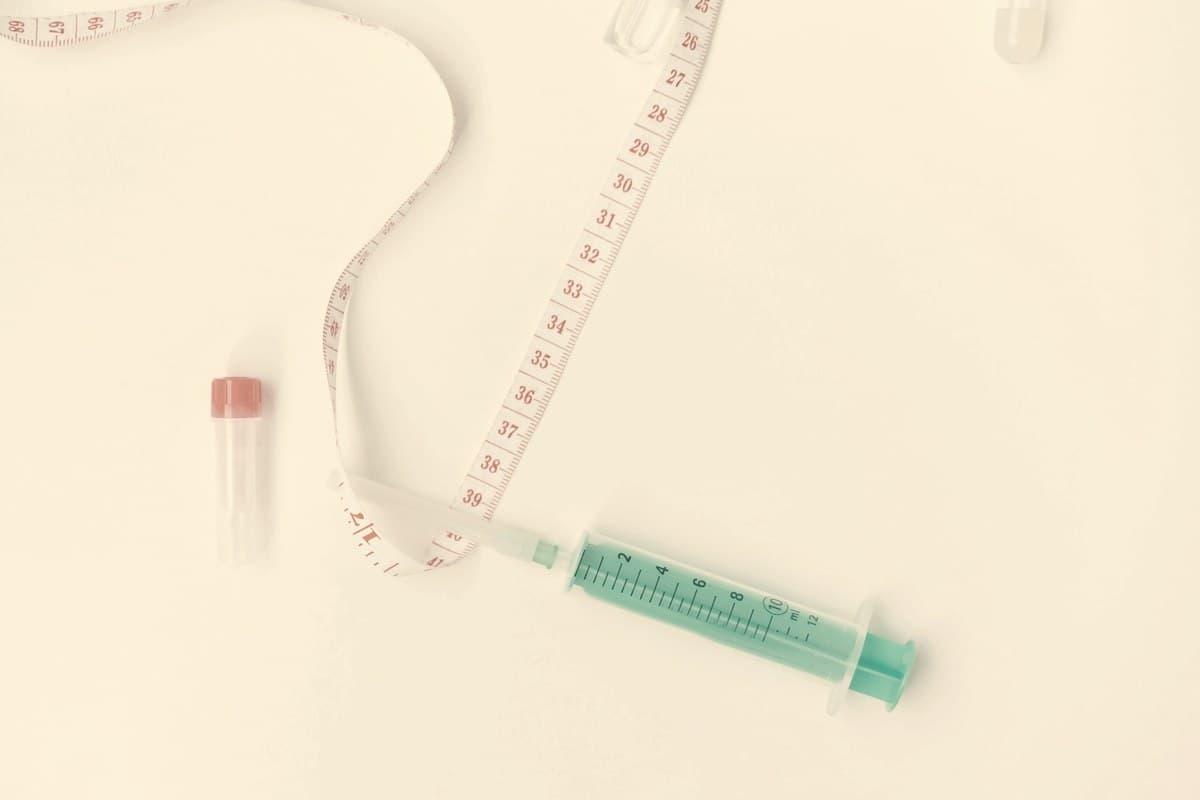
Subcutaneous means fatty tissue, not muscle. Three standard sites: abdomen (at least two inches from your navel), upper thigh, and outer upper arm. All work. Rotate weekly.
Injecting the same spot repeatedly causes lipohypertrophy, which are fatty deposits that form under the skin and alter how the drug absorbs. This isn't just uncomfortable; it makes your dose unpredictable over time.
Missed dose: the Zepbound label says that if fewer than four days have passed, the dose is taken as soon as possible and the regular weekly day continues. If more than four days have passed, that dose is skipped and the next one is taken on the regular day. Confirm any missed-dose question with your prescriber.
Storage: refrigerate pens and vials at 36 to 46°F. Follow the storage and in-use time limits in the label or the instructions for use that come with your product.
When to slow down escalation
The label allows slower progression than four weeks per step. These are reasons to raise holding at the current dose with your prescriber:
- Nausea that persists past the first few days after injection
- Vomiting more than twice in one week
- Losing more than three pounds in one week from reduced appetite alone
The most common mistake in GLP-1 therapy is pushing through severe side effects to reach a higher dose on schedule. Patients who escalate slowly enough to build new eating habits alongside reduced appetite do better long-term than those who race to maximum doses. This is consistent across both the SURMOUNT trial series and real-world prescribing data.
One specific note: if you're in perimenopause or using oral hormone replacement therapy, discuss tirzepatide timing with your provider before starting. GLP-1s delay gastric emptying, which affects how oral medications absorb, including oral estrogen and progesterone. We cover the full interaction picture in our guide on GLP-1 medications and HRT.
Tirzepatide vs. other GLP-1s on dosing complexity
Semaglutide (Ozempic, Wegovy) runs two dose steps over four months before maintenance. Tirzepatide has six steps, and that granularity is the point. Its dual-receptor activation creates a steeper dose-response curve, so small increases produce larger effects. The longer titration exists because the drug earns it.
Retatrutide, the next-generation triple agonist activating GIP, GLP-1, and glucagon receptors, is still in trials. Oral and sublingual GLP-1 formats are advancing, including tirzepatide tablets, but haven't yet matched injectable tirzepatide efficacy in head-to-head data.
Quick reference: standard Zepbound / Mounjaro titration
- Weeks 1 to 4: 2.5 mg
- Weeks 5 to 8: 5 mg
- Weeks 9 to 12: 7.5 mg
- Weeks 13 to 16: 10 mg
- Weeks 17 to 20: 12.5 mg
- Week 21+: 15 mg (maximum)
Many patients maintain results at 5 to 10 mg. Ask your prescriber about holding at the current dose if GI side effects persist beyond the first 48 hours after injection.
Frequently asked questions
How are Zepbound and Mounjaro doses labeled?
In mg. Mounjaro and Zepbound pens are pre-filled and dose-specific, so the dose printed on the pen is the dose in mg. Lilly's Zepbound vials and KwikPen are also labeled in mg, and the instructions for use that come with each product explain how to prepare an injection. Your prescriber sets the dose from the label schedule above.
What is the starting dose for tirzepatide?
The FDA-approved starting dose is 2.5 mg once weekly for the first four weeks. This is a tolerance phase. Most patients don't see significant appetite suppression at this level. The goal is GI adaptation, not immediate weight loss. After four weeks, the dose increases to 5 mg.
Is there an approved tirzepatide dose below 2.5 mg?
No. The FDA-approved starting dose is 2.5 mg once weekly for four weeks, and the label permits slower progression after that. Tolerability questions belong with your prescriber. FDA also states that unapproved versions do not undergo FDA's review for safety, effectiveness and quality before they are marketed.
How often do you inject tirzepatide?
Once weekly, on the same day each week. The timing within the day is flexible: morning or evening, with or without food. Consistency matters more than the specific time. Rotating your injection site each week is important; do not inject the same location two weeks in a row.
What happens if I miss a tirzepatide dose?
Per the Zepbound prescribing information, if fewer than four days have passed since your scheduled dose, inject as soon as you remember and resume your regular weekly schedule from that day. If more than four days have passed, skip the missed dose entirely and resume on your next scheduled day. Do not take two doses to compensate, as tirzepatide's half-life is approximately five days, so doubling up creates a meaningful overdose risk.
Is 5 mg tirzepatide effective for weight loss?
Yes. The SURMOUNT-1 trial showed 16% mean body weight loss at 5 mg over 72 weeks, clinically significant and comparable to the highest approved semaglutide dose (2.4 mg Wegovy). Many patients maintain satisfactory, durable results at 5 to 7.5 mg without needing to escalate further. Higher doses produce greater average weight loss, but the marginal gain narrows and side effects increase. Your prescriber chooses the maintenance dose based on your clinical goal and how you tolerate treatment.
See also
- GLP-1 medications and fertility
- Ozempic face and facial volume loss
- GLP-1 hair loss in women
- weight regain after stopping GLP-1s
- ozempic side effects in men
- how does ozempic work
- do skinny shots work
- are skinny shots safe
- what are lipotropic injections
- why am i not losing weight on wegovy
- where to inject ozempic