GLP-1 Medications and Menopause: What HRT Does to Your Weight Loss Response

Menopause rearranges where your body stores fat and how easily it lets go of it. The weight settles around the middle, the metabolism slows, and the same habits that used to work stop working. GLP-1 medications help, and there's growing interest in pairing them with hormone therapy. But there's also a quieter interaction most prescribers haven't flagged: a GLP-1 can change how well your oral HRT absorbs.
This guide separates what's solid from what's still emerging. The absorption issue, and the simple fix for it, is well established. The idea that HRT supercharges your weight-loss response is promising but not yet proven. Here's how to think about both if you're navigating menopause and a GLP-1 at the same time.
Looking for a provider who handles both hormones and weight? We track weight-loss clinics in Houston, Miami, and Los Angeles with verified availability, alongside the weight-loss doctors who prescribe GLP-1 medications.

Why menopause makes weight loss harder
The "menopause belly" is real biology, not a willpower failure. As estrogen falls, fat redistributes from the hips and thighs toward the abdomen, and a larger share of it becomes visceral fat, the metabolically active kind packed around your organs that raises cardiovascular and metabolic risk. At the same time, muscle mass tends to decline and resting metabolism dips, so the calorie math that worked in your thirties quietly stops adding up.
GLP-1s are well suited to this because they work on appetite and metabolic function rather than relying on you to simply eat less through willpower. Reviews of GLP-1 use in perimenopausal and postmenopausal women report meaningful weight loss and reductions in central, abdominal fat. For what to expect month to month, our guide on how long GLP-1s take to work applies here too.
Do GLP-1s work in menopause, and does HRT help?
Yes to the first part. Semaglutide and tirzepatide produce substantial weight loss in menopausal women, in line with the pivotal semaglutide trial results. The more interesting and less settled question is whether adding hormone therapy boosts that response. Some studies and clinical reports suggest women on HRT lose more weight on a GLP-1 than those who aren't, with estrogen and GLP-1 signaling appearing to reinforce each other in the brain's appetite circuitry.
Be careful not to overread it, though. As a 2025 review of GLP-1s for obesity and menopause notes, the evidence in this specific population is still limited and the studies are small, and a dedicated randomized trial comparing the combination against each treatment alone is only now underway. So treat "HRT amplifies GLP-1 weight loss" as a promising, biologically plausible signal rather than an established fact. It's a reasonable thing to discuss with your provider, not a reason to start HRT purely to lose more weight.
The oral HRT absorption issue
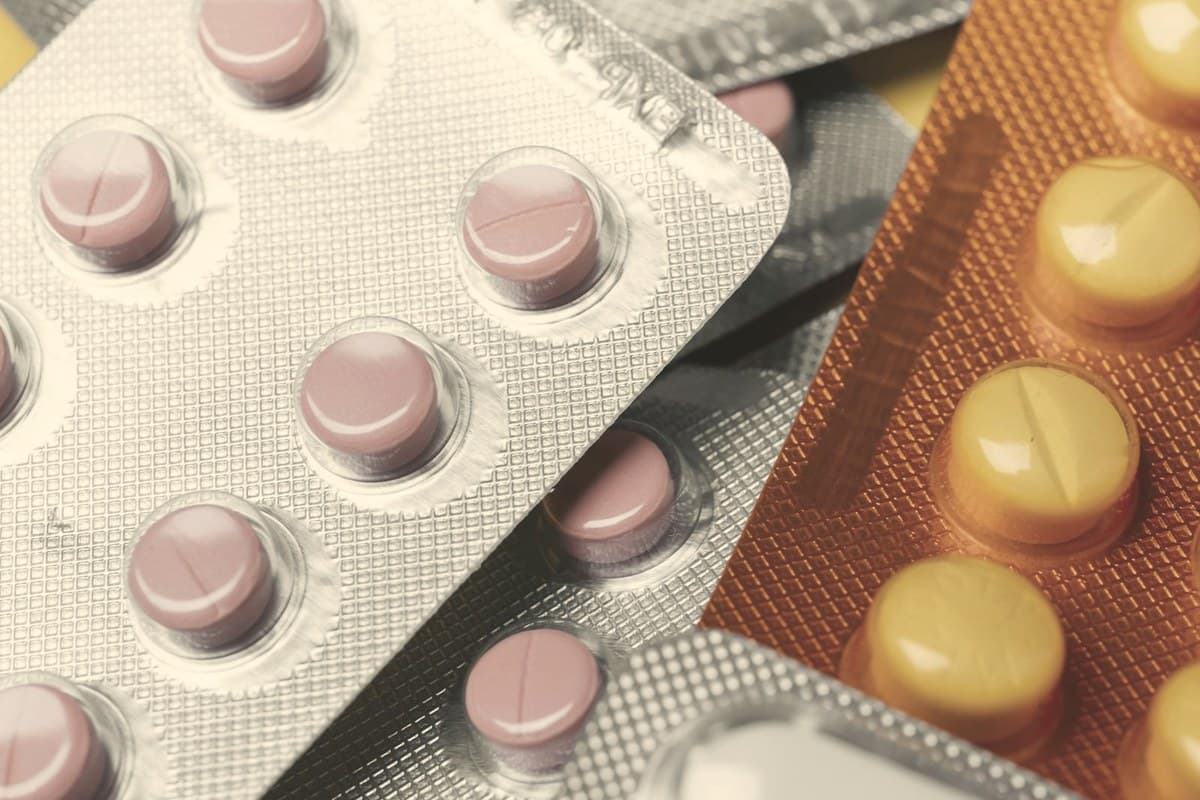
This is the part that's clinically practical and underappreciated. GLP-1s slow gastric emptying, which changes how oral pills absorb, including oral estrogen and progesterone tablets. The same mechanism that lets tirzepatide blunt oral birth control, noted in its FDA label and covered in our GLP-1 and fertility guide, applies to oral hormone therapy: absorption becomes more variable and less predictable, especially during dose escalation when the gastric effect is strongest.
In practice, that can mean a woman who was stable on her oral estradiol notices her hot flashes creeping back or her sleep getting worse after starting or increasing a GLP-1, not because her HRT dose changed but because its absorption did. The clean fix is to switch oral HRT to a transdermal form, a patch, gel, or spray, which delivers estrogen through the skin straight into the bloodstream and bypasses the gut entirely. Transdermal estradiol isn't affected by gastric emptying, the change usually doesn't require a dose adjustment, and your gynecologist or prescriber can make it with a single prescription. The same applies to oral progesterone and similar oral hormones; vaginal and transdermal preparations aren't affected.
How menopause changes the side effects
A few GLP-1 effects land harder after menopause, mostly because estrogen's protective roles are gone. The facial hollowing people call Ozempic face tends to be more pronounced, since postmenopausal skin already has less collagen and volume to spare. Hair thinning runs the same way: the scalp loses estrogen's buffering, so the rapid-weight-loss shedding behind GLP-1 hair loss can hit harder, which makes the protein and iron monitoring in that guide especially worth doing.
Bone density deserves its own mention. Rapid weight loss is associated with some loss of bone mineral density, and postmenopausal estrogen deficiency already drives bone loss, so the two stack. If you're postmenopausal and on a GLP-1, it's worth asking about bone density monitoring and making sure your calcium and vitamin D are adequate. Protecting muscle with resistance training helps on both the bone and metabolism fronts.

Perimenopause: the variable window
Perimenopause, the years-long transition before periods stop, is the trickiest stretch. Estrogen doesn't decline smoothly; it swings, sometimes month to month. If estrogen really does amplify GLP-1 signaling, then a fluctuating estrogen environment makes the weight-loss response less predictable than it is in a stably postmenopausal woman on a steady HRT dose. Side effects can be harder to read too, since mood changes or worsening hot flashes might come from the hormonal swings, the medication, or both.
The practical implication is that if you're perimenopausal and already considering HRT for symptoms, starting it before or alongside a GLP-1 may give you a more stable hormonal backdrop than adding it later. That's a decision to make with your provider based on your symptoms, not something to do solely for weight loss. The tirzepatide dosing guide covers titration, and those decisions are better made with your hormonal status as one of the inputs.
Questions for your provider
If you're postmenopausal and starting a GLP-1, a few questions cover most of what matters. Am I on oral HRT, and should I move to a transdermal form before starting? How will we keep an eye on bone density? How often should we check iron and vitamin D, given the overlapping nutritional risks? And if you're already on a GLP-1 and your weight loss has stalled or your menopause symptoms have worsened, it's worth reviewing whether your HRT is oral versus transdermal and how its timing lines up with your injection.
Because these medications work best taken long term, given the weight regain that follows stopping, it helps to think a few years ahead: a woman who starts in perimenopause and moves through menopause on treatment will pass through several hormonal phases. A provider who tracks both your weight and your hormones together will manage that better than one treating them as separate problems. For broader context, our GLP-1 side effects timeline and the overview of stronger and newer options like retatrutide and oral GLP-1s are worth reading. To find a prescriber, we list tirzepatide providers in San Antonio and semaglutide providers in Houston.
Quick reference — GLP-1s and menopause
- Menopause shifts fat to the visceral abdomen and slows metabolism; GLP-1s work well against it
- HRT may enhance GLP-1 weight loss, but the evidence is still emerging, not settled
- Solid finding: a GLP-1 can make oral HRT absorb unpredictably; transdermal (patch/gel) bypasses it
- Post-menopause amplifies Ozempic face, hair thinning, and bone-density loss
- Ask about bone density, iron and vitamin D, and oral-vs-transdermal HRT
Educational information, not medical advice. Decisions about HRT and GLP-1s belong with your provider.
Frequently asked questions
Does Ozempic work for menopause weight gain?
Yes. Semaglutide and tirzepatide produce substantial weight loss in menopausal women, and reviews specifically in this group report meaningful reductions in body weight and in central, abdominal fat, the visceral fat that menopause tends to add. That matters because GLP-1s work on appetite and metabolic function rather than relying on willpower alone, which addresses exactly the changes menopause brings: a slower metabolism, declining muscle, and fat shifting to the midsection. Results still depend on reaching an effective maintenance dose and staying on treatment, and protecting muscle with protein and resistance training improves both the weight and bone outcomes in this population.
Can you take HRT and a GLP-1 together?
Yes, they're commonly used together and the combination is generally considered compatible. There's even emerging evidence that hormone therapy may enhance the weight-loss response to a GLP-1, though that finding is still preliminary and a dedicated trial is ongoing. The one practical caveat is absorption: if your HRT is an oral tablet, a GLP-1's gastric-emptying delay can make it absorb less predictably, which can destabilize symptom control. The usual solution is to switch oral HRT to a transdermal form. Discuss the combination with your provider, who can coordinate the hormone and weight-loss sides rather than managing them separately.
Does a GLP-1 affect oral HRT absorption?
It can. GLP-1 medications slow how fast the stomach empties, which makes oral tablets, including oral estrogen and progesterone, absorb more slowly and less predictably, especially while you're escalating the dose. The result usually isn't a consistent drop so much as more variability, which can show up as returning hot flashes, disrupted sleep, or mood changes even though your HRT dose hasn't changed. The straightforward fix is to switch to transdermal estradiol, a patch, gel, or spray, which is absorbed through the skin and bypasses the gut entirely, so gastric emptying doesn't affect it. Vaginal preparations are also unaffected.
Why is it harder to lose weight after menopause?
Falling estrogen changes both where you store fat and how much energy you burn. Fat redistributes from the hips and thighs toward the abdomen, and more of it becomes visceral fat around the organs, which is metabolically riskier. Muscle mass tends to decline with age, and since muscle drives resting metabolism, the number of calories you burn at rest drops. Add in common menopause disruptors like poor sleep and higher stress hormones, and the strategies that worked earlier stop delivering. GLP-1s help because they target appetite and metabolic signaling directly, which is why they tend to outperform diet-and-exercise alone in this stage.
Should I switch from oral to transdermal HRT before starting a GLP-1?
It's a reasonable conversation to have with your provider. Because a GLP-1 can make oral HRT absorb unpredictably, switching to transdermal estradiol before or around the time you start removes that variable, and transdermal delivery has its own advantages, including a lower clotting risk than oral estrogen. The change is usually simple and often doesn't require a dose adjustment. It isn't mandatory for everyone, and the decision depends on your current regimen and how stable your symptoms are, but raising it proactively, rather than waiting to see if your hot flashes return after starting the GLP-1, is the smarter sequence.
Is GLP-1 weight loss different in perimenopause versus after menopause?
It may be less predictable in perimenopause. During that transition, estrogen fluctuates rather than settling at a steady low level, and if estrogen does amplify GLP-1 signaling as some evidence suggests, a swinging hormonal environment would make the response more variable than in a stably postmenopausal woman on consistent HRT. Side effects can also be harder to attribute, since mood shifts or hot flashes might come from the hormonal swings, the medication, or both. None of this means a GLP-1 won't work in perimenopause; it just means expectations and monitoring should account for the moving hormonal target, ideally with a provider tracking both.